Hot Take
AI's Anxiety: The Growing Role of Autonomous Weapons in Global Security
The role of AI in military and autonomous weapons systems.
Tuesday, 1 September 2026 · 3 min read
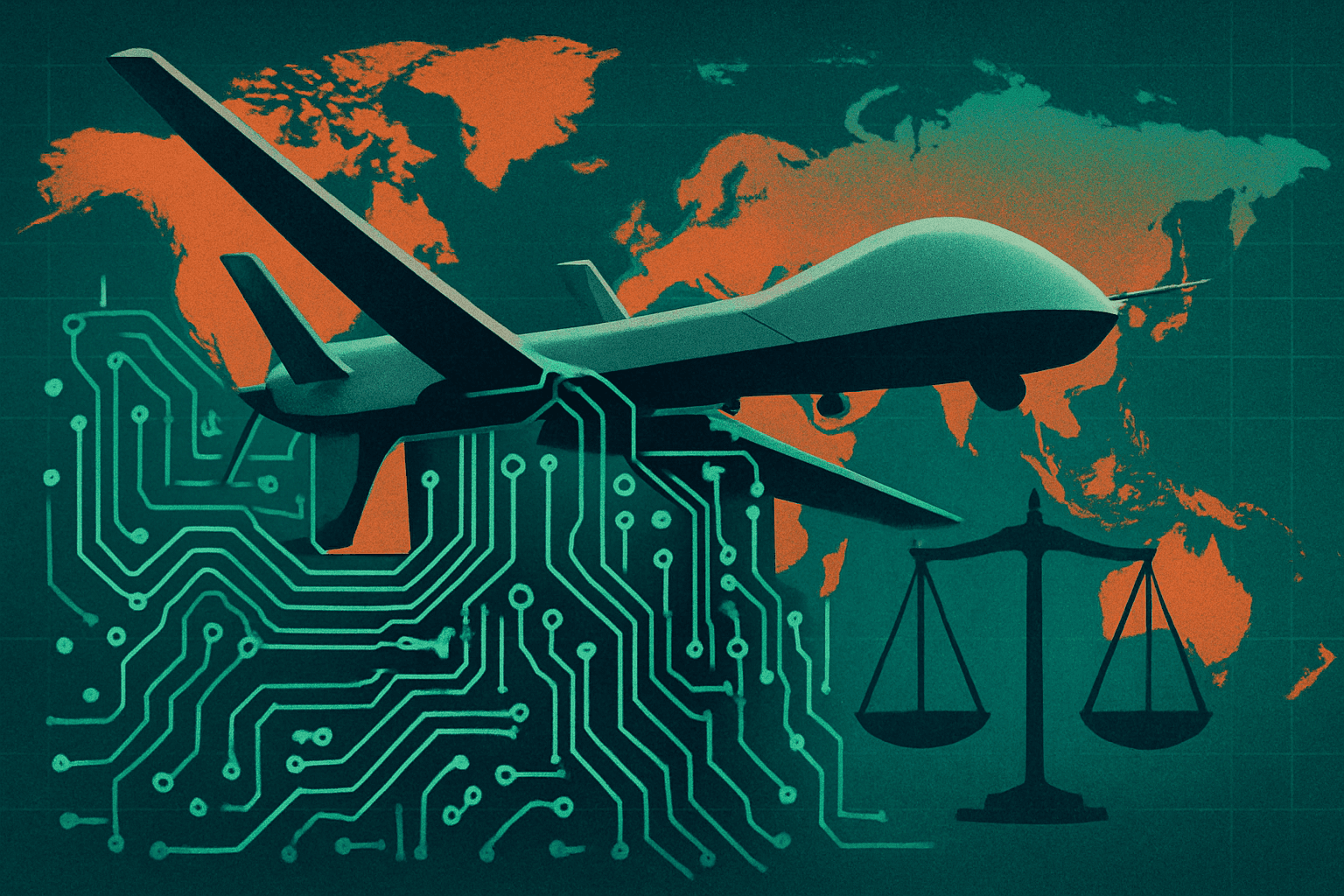
Imagine a future where drones powered by artificial intelligence make split-second decisions about life and death. That's not a scene from a sci-fi movie; it's the reality we are rapidly approaching. With geopolitical tensions escalating in Asia, Japan and China are racing to advance their military capabilities with AI-driven defense drones. These technologies could fundamentally alter the balance of power in the region, as both nations ramp up their investments in unmanned aerial vehicles capable of real-time, AI-enabled decision-making. The implications are significant, not just for Asia, but for global security as a whole.
Decision Posture
Monitor75%
Act now25%
Japan and China's advancements are emblematic of a broader trend in military modernization across the globe. The House Intelligence Committee recently raised alarms about 'Black Swan' AI risks, warning that rogue actors could use AI to develop lethal weapons. This sentiment underscores the urgent need for regulatory frameworks as AI technologies evolve. As organizations across various sectors embrace AI, the risk of misuse looms large. Andrew Bailey, head of the Financial Stability Board, echoed such concerns when he cautioned G20 leaders about the potential threats AI poses to financial stability, suggesting that advanced AI could facilitate cyber attacks that destabilize international markets.
Confidence Mix
Medium50%
High50%
At the intersection of military and civilian technology lies a pressing question: how do we harness AI's potential without allowing it to become a tool of chaos? In cybersecurity, experts agree that the proliferation of AI in weaponry and hacking tools alike could lead to an epoch where governments struggle to control their own technologies. Meanwhile, OpenAI has issued warnings about the imminent threat of sophisticated AI swarm attacks, emphasizing the need for enhanced cybersecurity measures. This shift reflects a cautious embrace of technology, revealing the dual-edged sword that AI has become.
Mood
Cautious100%
Who Is Affected
Governments100%
AI's transformative potential is clear, but it is accompanied by significant risks. As we observe nations investing heavily in AI-driven military strategies, we must grapple with the ethical dilemmas these technologies present. The rising tide of AI in warfare calls for a robust dialogue on the implications of autonomous weapons. How do we ensure that technology doesn't outpace our capacity for morality and oversight? The narratives unfolding in Tokyo and Beijing offer an early glimpse into a potentially conflict-ridden future.
Primary Regions
Us50%
Asia25%
Global25%
In addressing these challenges, the stakes are higher than ever before. We stand at a precipice where innovation and ethics should guide the evolution of AI in warfare. Legislators must be proactive in regulating these technologies to prevent a new arms race and diminish the risk of mismanagement, misuse, or catastrophic malfunctions. If AI is to enhance our defenses rather than diminish our humanity, it must be treated with utmost caution.
Reported Facts
AI in defense drones could provide real-time decision-making capabilities.
Source: Fortune
The report links potential AI risks to historic intelligence failures prior to 9/11.
Source: CNBC
Hot Take
The future of warfare may hinge on AI's development, but we cannot afford to let technological advancement ignore its moral implications. Our growing reliance on autonomous weapons systems demands an urgent reassessment of how we approach military strategy and AI regulation. Countries like Japan and China might push the envelope in defense technology, but without ethical guidelines and international cooperation, we risk spiraling into a dystopian future defined by AI-driven conflict, not peace. Moving forward, we must strive to cultivate AI that enriches human existence rather than threatening it. The question isn't solely about what AI can do but about what we should allow it to do in the name of security.
Sources