Hot Take
Sony's Monopoly on Gaming Discs: A Dangerous Game for Loyal PlayStation Users
Physical discs, corporate greed and Sony's power over its loyal playstation users.
Tuesday, 25 August 2026 · 3 min read
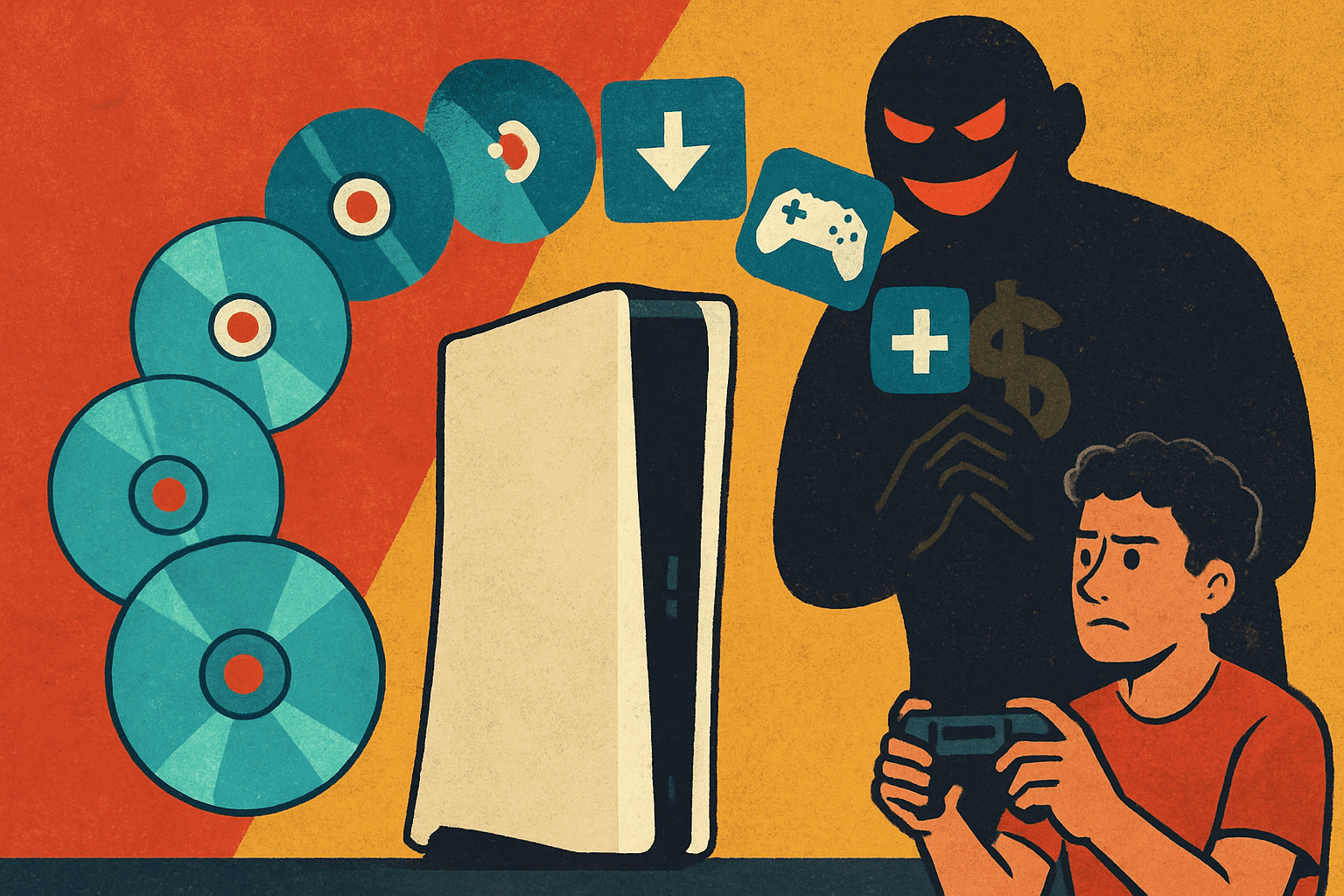
I still remember the thrill of unboxing my first PlayStation console. It felt like stepping into a new universe, one filled with immersion and endless adventures. Fast forward to today, and that nostalgic thrill comes with a bitter aftertaste as physical game discs slip further into obsolescence. With Sony at the helm, we're witnessing not just a technological transition, but a corporate maneuver that could leverage its loyal customer base in a perilous game of greed.
In recent developments, Sony has intensified its focus on digital sales, subtly pushing users towards downloads while gradually phasing out physical media. As reported, "Sony hunts for next Hello Kitty in character IP push," a clear indication of their strategy not just to streamline sales but to monopolize the market. This has implications beyond mere convenience; it raises questions about ownership, control, and access.
As the transition from physical to digital games accelerates, PS5 owners find themselves confronting the harsh reality of corporate greed. The recent noise around the rise of online-only gaming, paralleled by Sony's efforts to tighten control over digital content distribution, echoes with ominous undertones. The move towards an all-digital ecosystem while packing features that ostensibly promise user convenience veils an uncomfortable truth: efficiency for Sony means higher costs and less access for consumers. Reports of Amazon raising prices on hardware by up to 60% reveal the wider ramifications of this trend, where the cost of gaming can skyrocket, entrenching an economic divide among players.
Another angle to this narrative is the gradual erosion of consumer rights as physical ownership gives way to digital licenses. People often overlook the terms of service they eagerly accept, which can permit companies like Sony to dictate terms post-purchase. This echoes the legal struggles surrounding "Fair Use" versus corporate interests, where companies stand firm on their right to enforce restrictions that could limit how consumers interact with their products.
I recall a time when buying a game meant full ownership, packing it on a shelf where it stood as a trophy of my gaming conquests. Now, as demonstrated in "US threatens Iran with new sanctions, Tehran fires back," the evolving landscape feels more akin to a battleground for power where corporations hold sway over their customers. This shift turns loyal fans into mere data points, manipulated by algorithms that predict purchasing behaviors, stripping away the personal connection once intrinsic to gaming.
Furthermore, digital-only formats introduce a tangible risk should platforms alter their policies or cease operations, leaving players with no recourse for recovering their games. The very idea threatens to tarnish the trust built over decades, becoming a grim reminder of how the corporate system prioritizes profit over principle. If these trends persist without strong advocacy for consumer rights, many veteran gamers may find themselves relegated to the sidelines, a reality many of us never anticipated.
Hot Take
We must remain vigilant and vocal as Sony and other gaming giants push for more control over our gaming experiences. Gaming should be about joy, creativity, and community — not merely about maximizing profit margins through restrictive practices that overlook consumer interests. We can’t allow nostalgia for our beloved franchises to blind us to the reality of a corporate power grab.
It's high time we start demanding transparency in digital ownership and assert our rights as consumers. We should advocate for fair access, pressure companies to keep physical media alive as a viable option, and resist the slow encroachment of a digital monopoly that prioritizes profit at the expense of loyal fans. If we stay passive, we may soon find that the thrill of gaming becomes just another relic of the past, fading away in the wake of corporate greed.
Sources